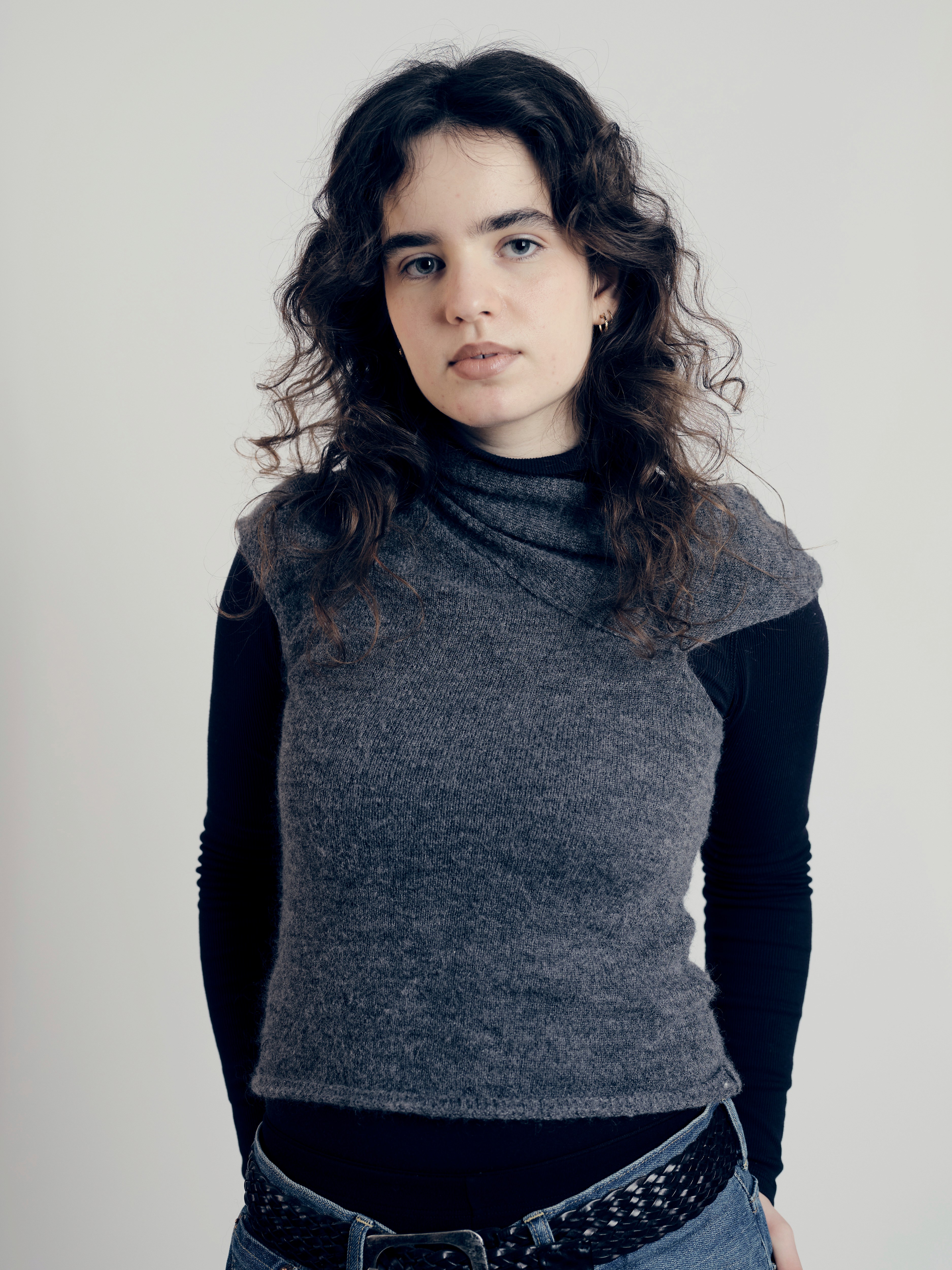
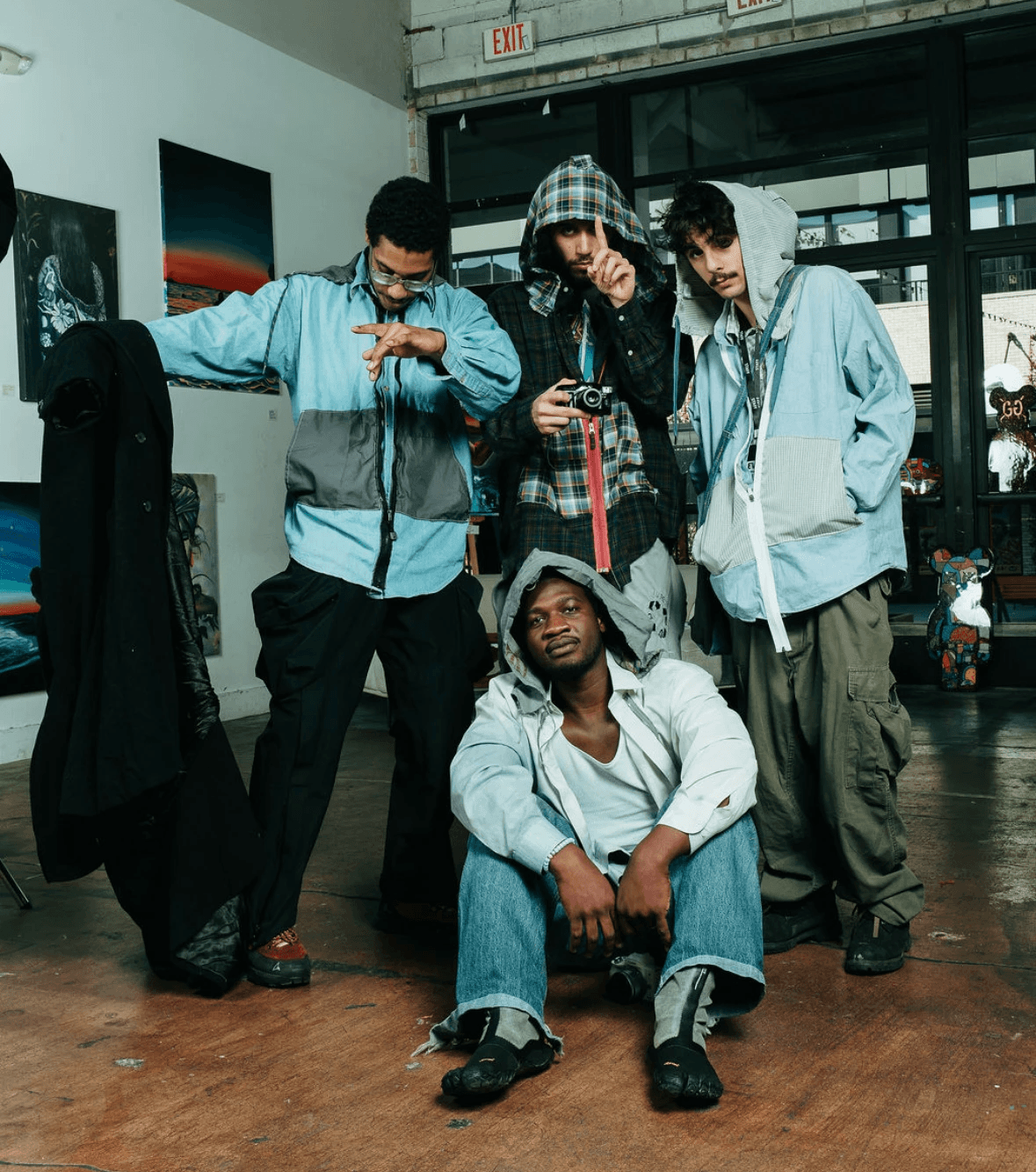
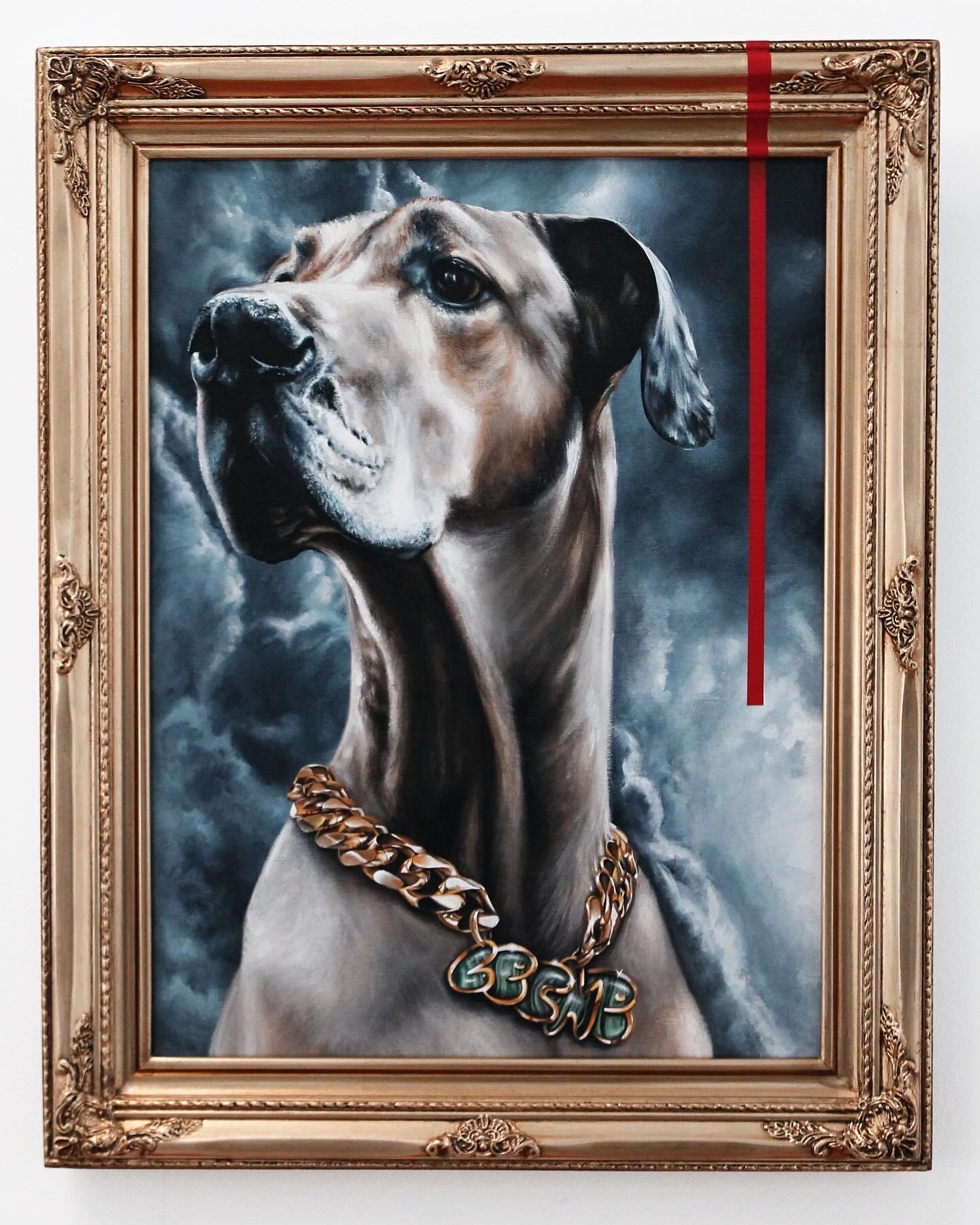
New York–based designer, Yuval Sorotzkin, has built a design language that feels both emotionally exposed and technically precise. Her work lives in that tension.
Part of that sensibility traces back to a multicultural upbringing that gave her an early fluency in diverse histories and ways of seeing certain aesthetics.
Long before she began shaping collections in New York, she was learning how garments come together piece by piece, stitch by stitch, through a practice that started when she was just ten years old.
“My grandfather was a pattern maker in Paris,” she says. “That’s how I got into sewing.” After he passed, Sorotzkin inherited his box of sewing equipment, full of the kind of objects that can quietly alter a life. She was fascinated immediately. What started as curiosity quickly turned into devotion. She spent long summer days sewing for hours at a time, then began making dresses for friends, custom pieces for events, and even garments for school productions. By 13, she was teaching younger girls how to sew. That foundation later deepened through studies at Shenkar, FIT, and Politecnico di Milano, where she continued refining the craftsmanship and discipline that remain central to her practice.
That early relationship to making still defines her now. Sorotzkin is not only interested in what a garment looks like once it is finished. She is captivated by the hidden labor that gives it life. “I love to look at the stitching or what finishing something is,” she explains. “I look at that in my designs, and I’m like, oh my God, I love this. I want to use that as a design detail.”
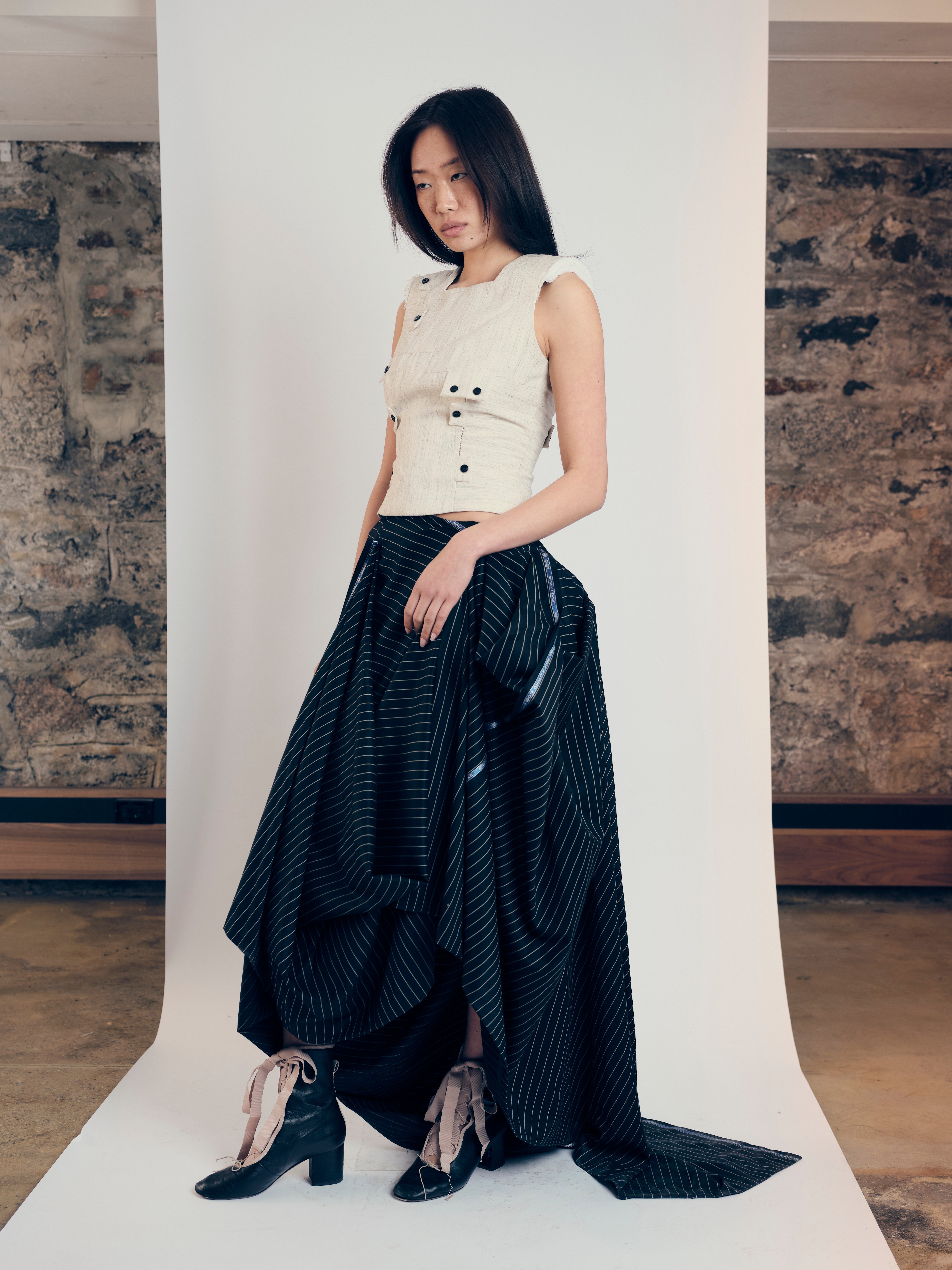
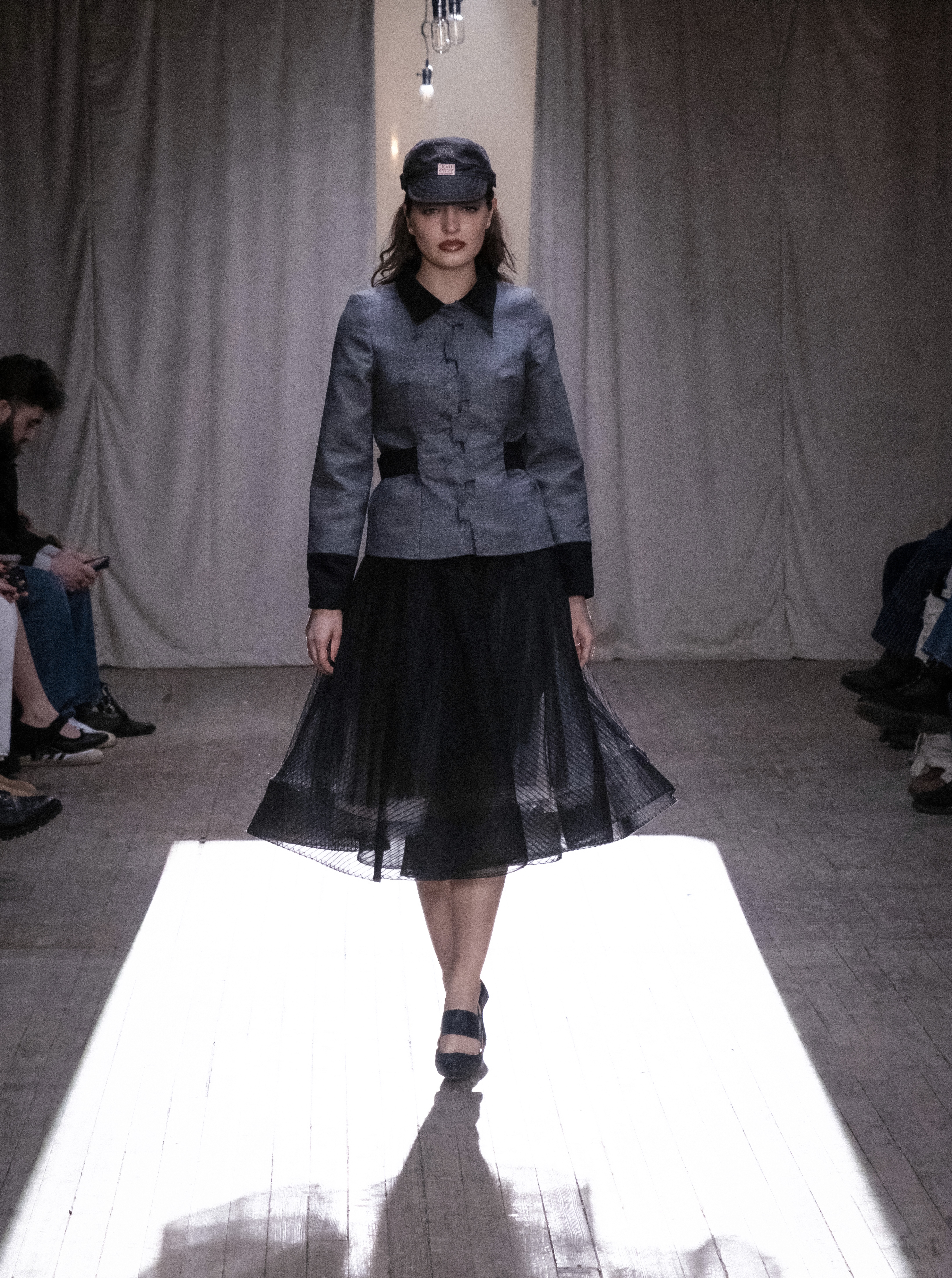
That obsession became central to Work in Ruins, a collection that sharpened her creative language. Instead of concealing the garments' internal architecture, Sorotzkin brought it to the surface. Boning, padding stitches, petticoats, horsehair, and structure were no longer hidden supports. They became part of the visual narrative. The result was not just technically impressive. It was deeply personal.
The Work in Ruins F/W 26 collection was showcased in New York Fashion Week in February 2026.
“I wanted to show that what I was feeling inside was also present on the outside,” she says. The collection responded to a world marked by political instability, climate anxiety, war, and the emotional dissonance of having to keep moving while one’s inner world collapses. For Sorotzkin, exposing the internal structure of clothing became a metaphor for exposing the internal structure of self. “I think vulnerability is power.”
That point of view is what makes her work memorable. Sorotzkin is interested in craftsmanship, yes, but never craftsmanship for its own sake. She uses a technique to communicate emotion. She treats garments like puzzle pieces and architecture at once, always asking what else a piece can reveal beyond appearance.
Now, her vision is expanding. Bridal is the next step, though not in any traditional sense. She wants to explore it through texture, shape, and feeling. Ready-to-wear is another. Eveningwear remains central.
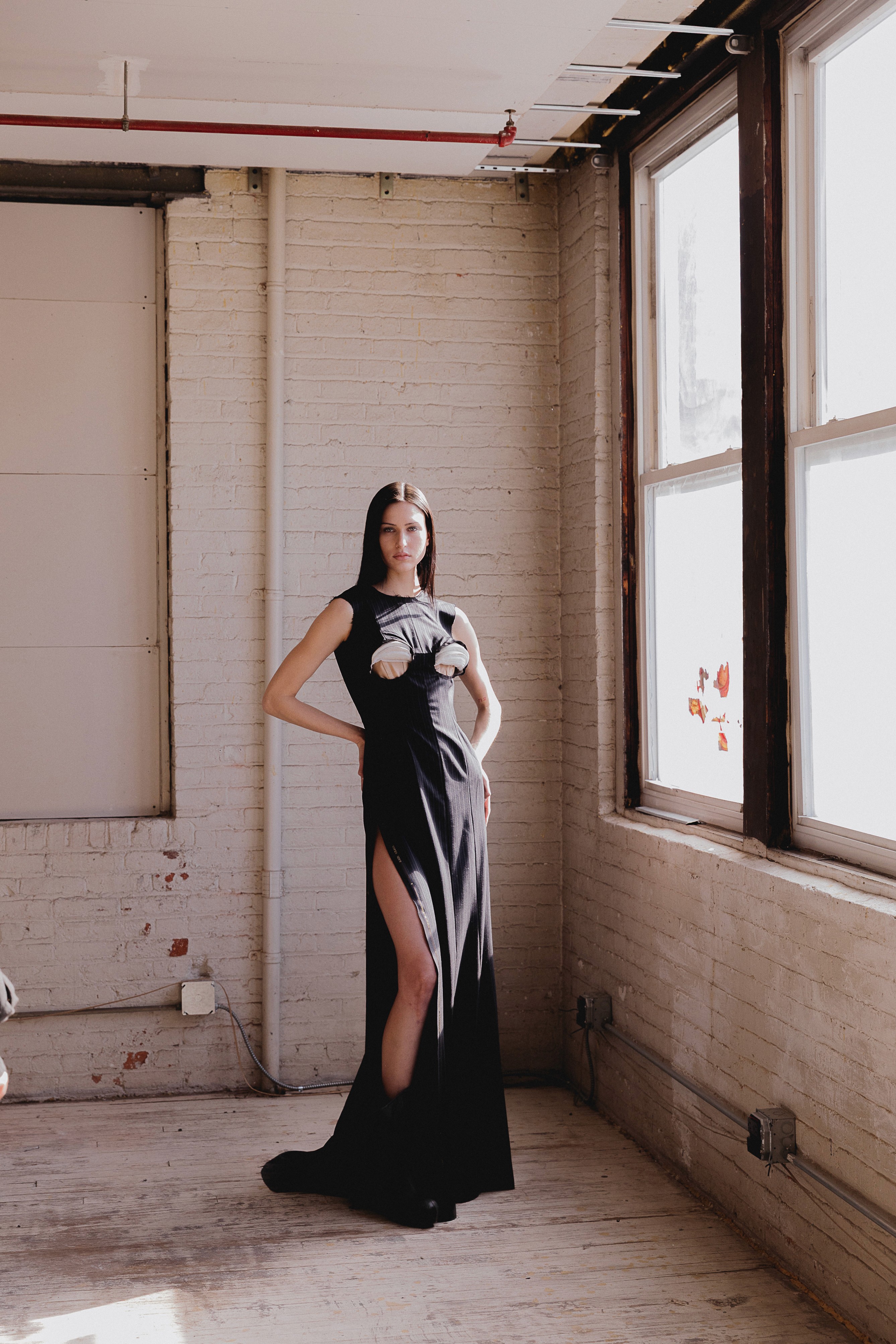
Across it all, she is committed to making clothes that hold weight, technically and emotionally.
“I want people to view my inner world,” she says, “and my appreciation for fashion through it.”
Yuval Sorotzkin doesn’t design to decorate the outside. She designs to reveal what holds everything together.