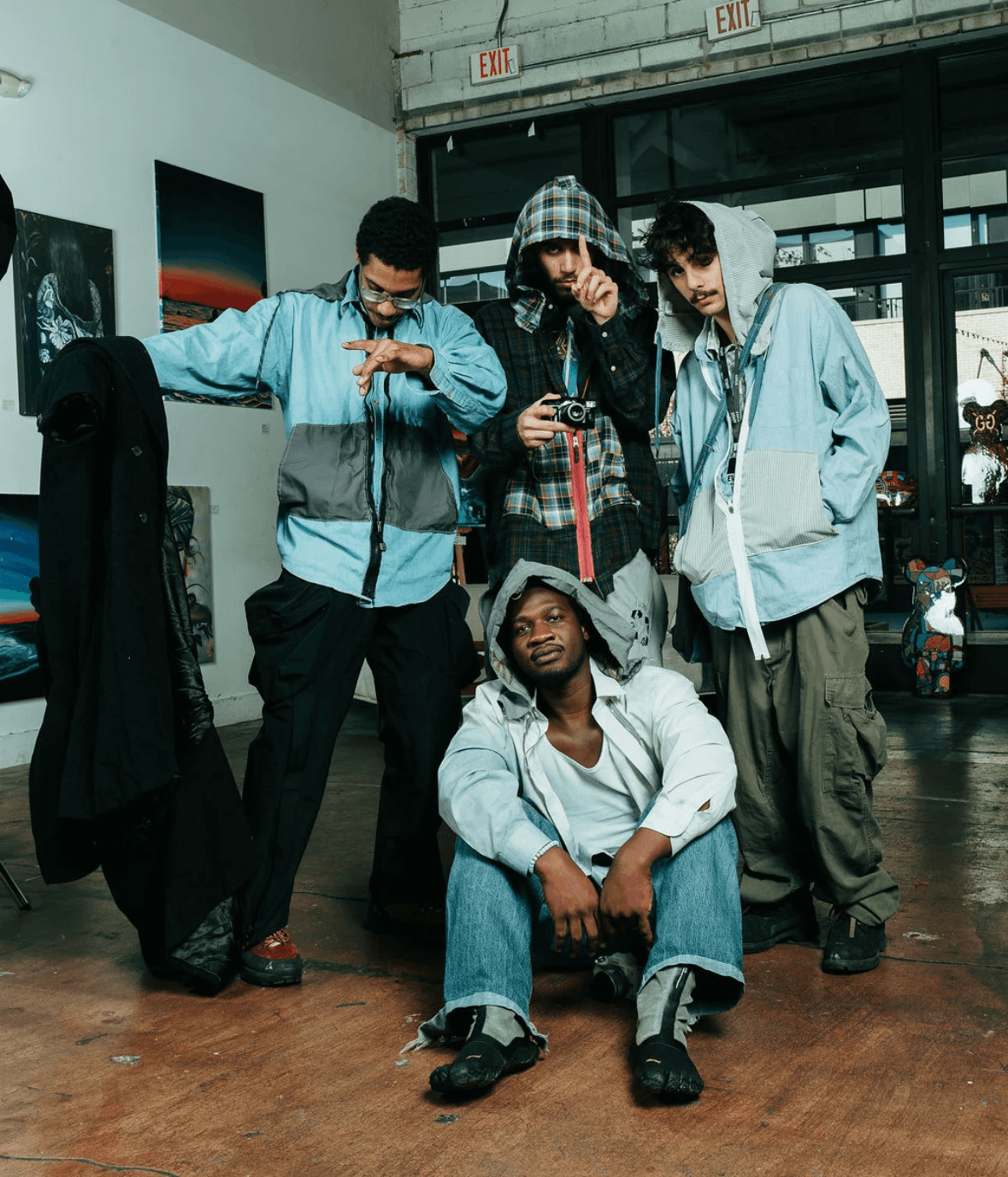
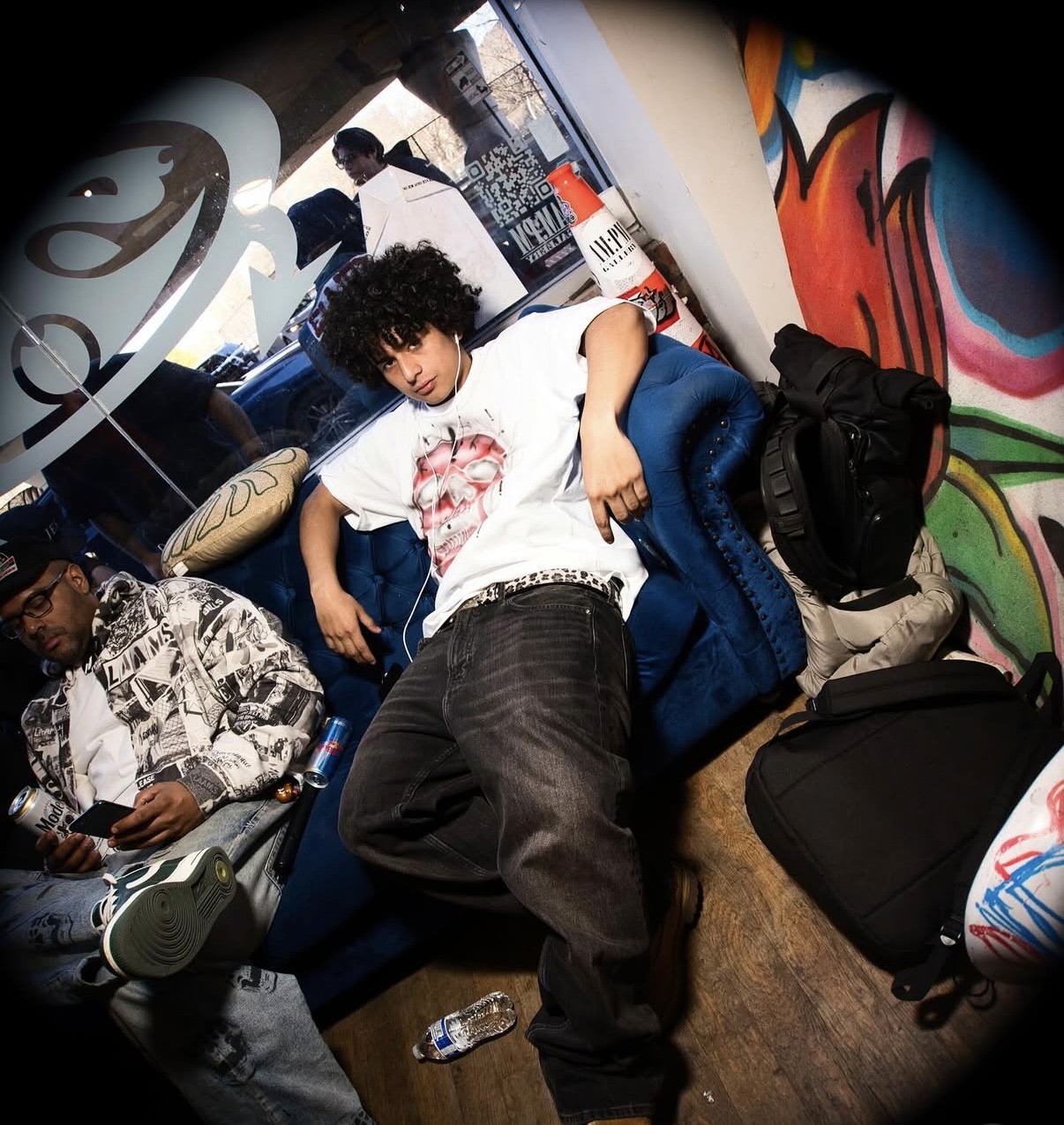
“Believe it or not, I wasn’t even there for the spark of it [Nubati Industries],” Waleed Afridi admits. After meeting Nubati’s head designer, Abdou Sanda, in a Virginia vintage shop, Waleed found himself driving from Washington D.C. to Richmond a week later for the brand’s first pop-up. That moment was alignment.
Nubati Industries began after numerous conversations and ultimately the refusal to participate in what fashion has become today. That mindset sits at the core of the team of Abdou, Vash Johnson, Ben Blair, and Waleed.
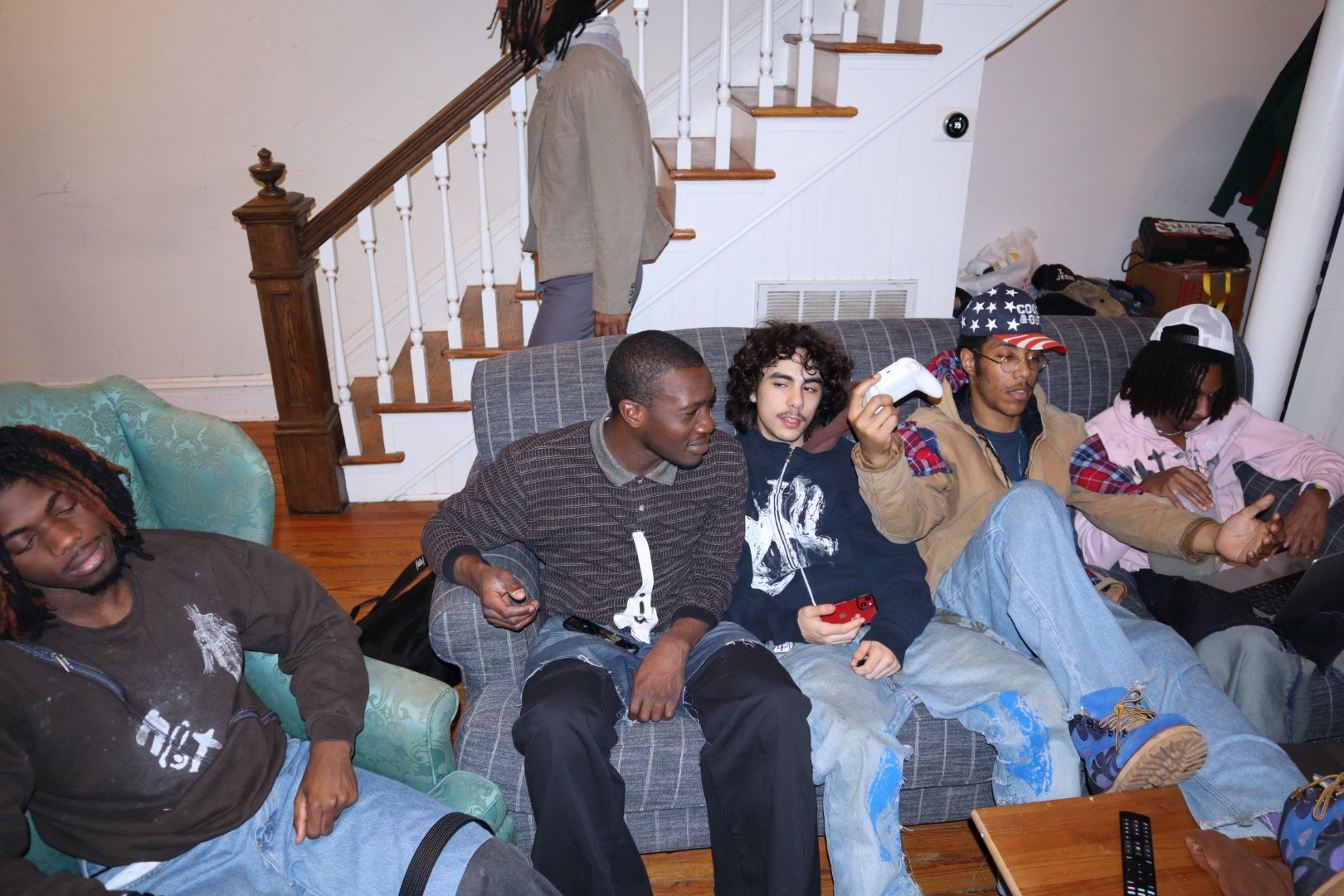
Rooted in faith, upcycling, and community, Nubati operates with a philosophy that extends far beyond clothing. Every piece is made from donated garments, “donos,” as they call them, down to the thread itself. Old shirts are deconstructed and reborn into something entirely different, but never disconnected from their origin.
That intention shows up in the details, but it also shapes the bigger picture. Their collections are meant to be felt. Especially their “Nu” one, A Nudge of Gratitude, one of their recent bodies of work, which came from instinct. “It literally just happens,” Waleed says. “We’ll be talking, and something clicks and we run with it.” Still, nothing is accidental.
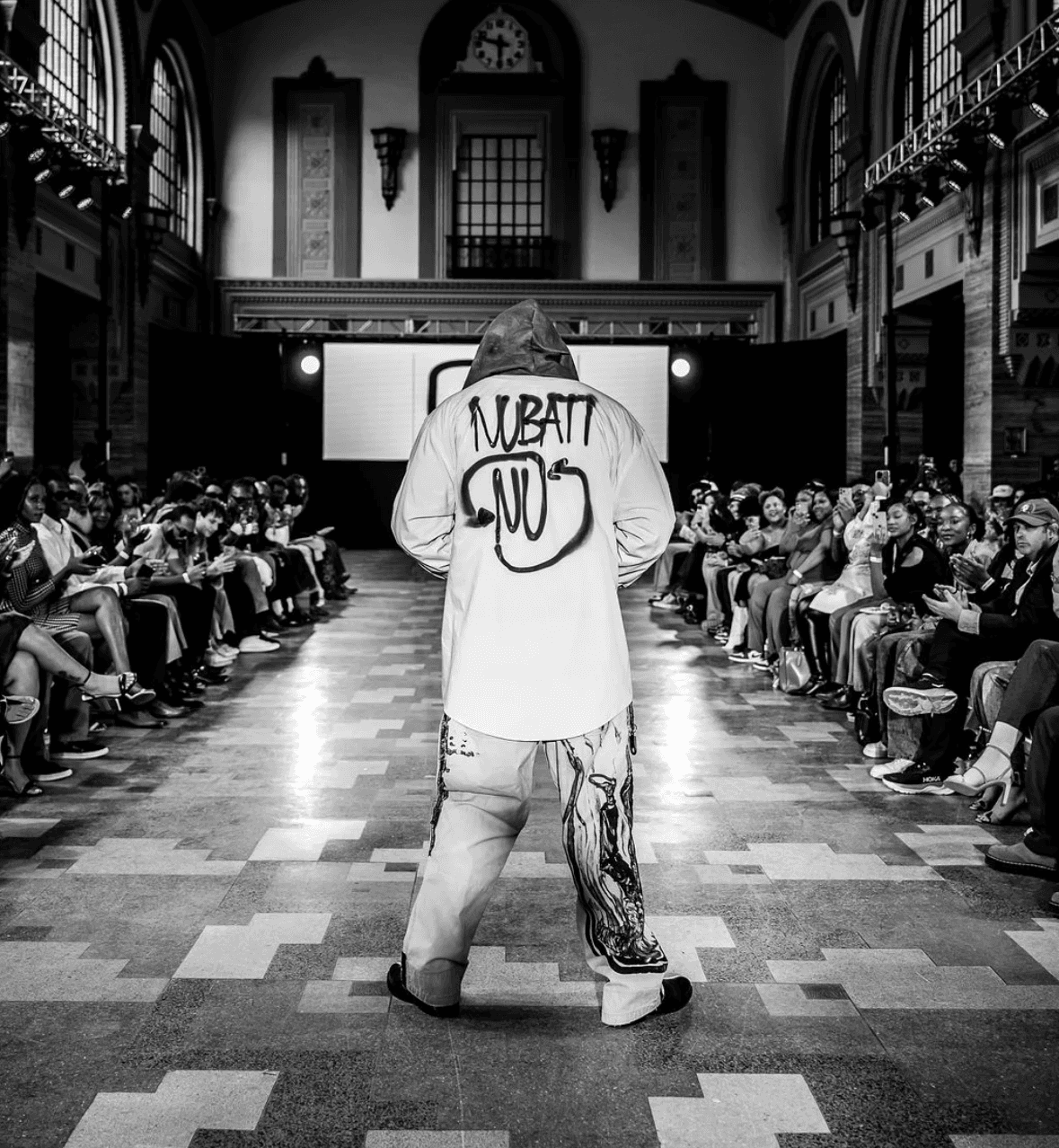
Take the asymmetry of the collection. “In Islam, the right side symbolizes purity,” Waleed explains. So their garments at one of their recent shows, Unfiltered Fashion Show, leaned right. From the collars and seams to the silhouettes, all subtly guided by meaning. What looks aesthetic is actually intentional. What feels natural is deeply considered.
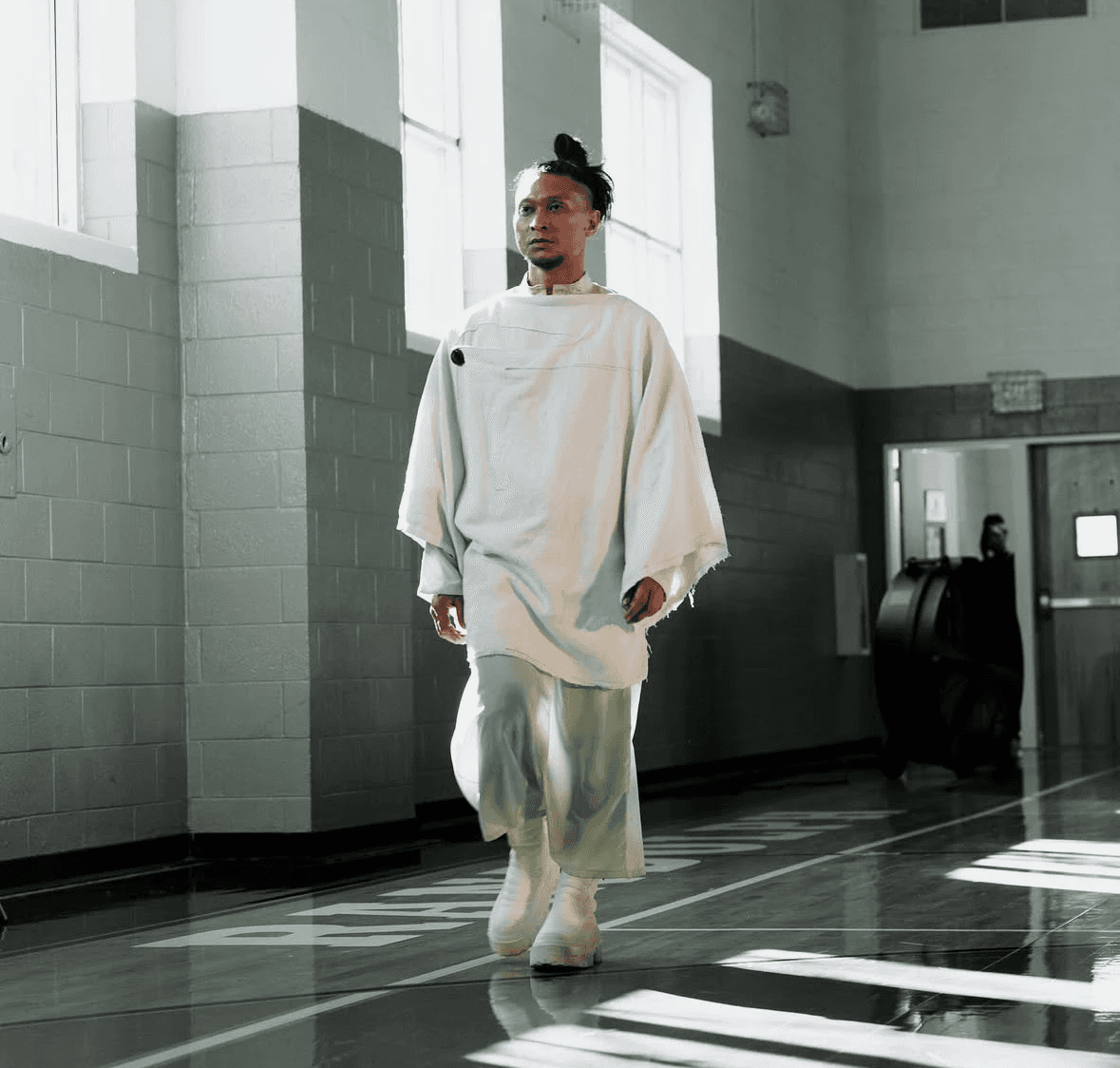
That balance between spiritual grounding and creative execution is what sets Nubati apart. They don’t push belief outward. “We’re not shoving anything down anyone’s throat,” Waleed says. “This is who we are. If you align with it, great. If not, that’s fine too.”
Behind the scenes, the process is as raw as the materials. Donations flow in from across Virginia, Richmond, Charlottesville, Washington, D.C., forming what Waleed calls a “triangle” of supply. “We could stop taking clothes right now and still have enough for multiple collections,” he says. And they don’t limit themselves to fabric. Carpet, sea cloth, anything with potential is all fair game.
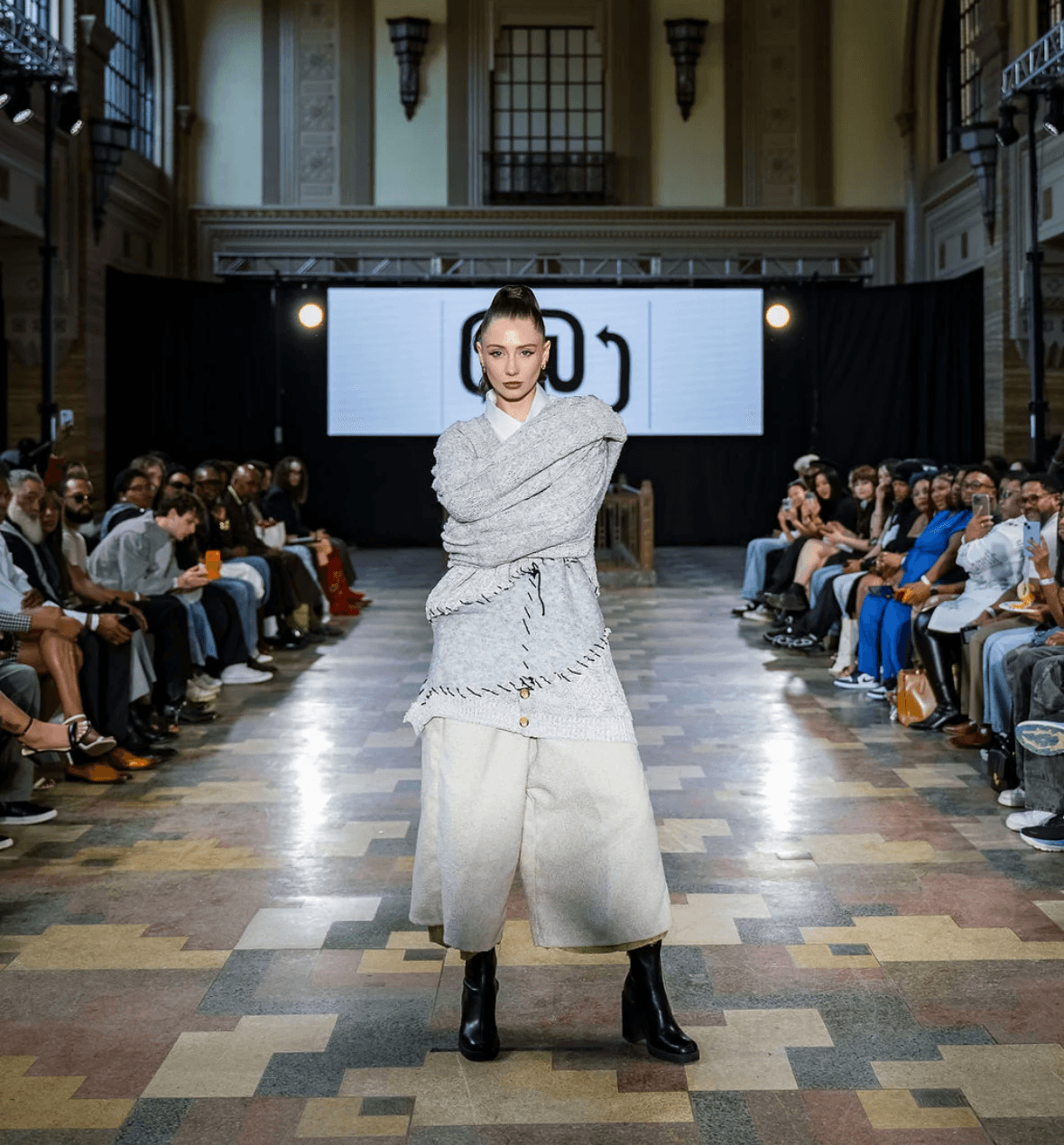
Waleed himself sees Nubati as more than a brand. It’s a space where ego dissolves, and ideas move freely. He spoke about the absence of ego. “Every idea gets heard. Everything flows naturally.” That openness is what allowed him to step into his role, part art direction, part storytelling, part everything. Because right now, everyone is everything.
But the vision extends far beyond the present. Nubati Industries aims to evolve into a global hub for upcycled production, providing materials, garments, and resources without contributing to waste. “We don’t want to make anything new,” Waleed says. “We just want to use what already exists.”
At its core, Nubati isn’t trying to fit into fashion. It’s trying to fix it. And if you ask Waleed, it’s only the beginning.