

Wavy Never Stopped Creating. He Just Needed Time to Realign With Himself.
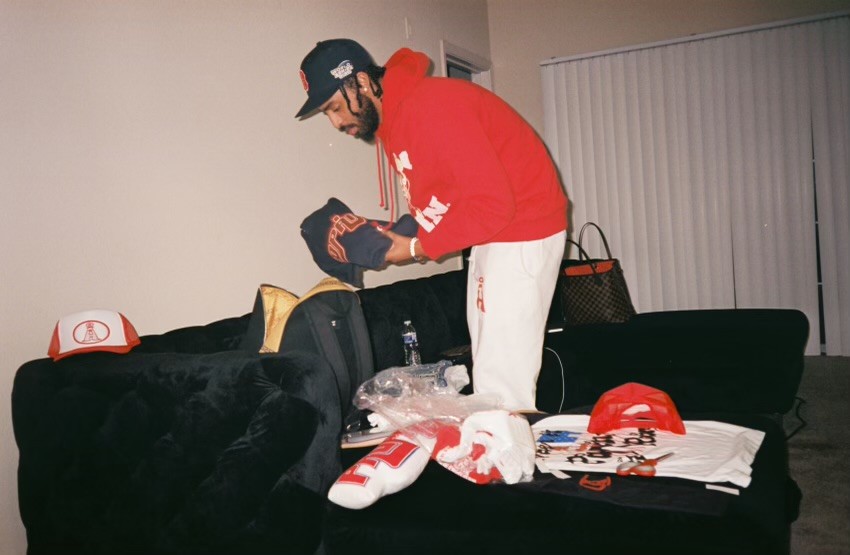
Born and raised between Jamaica and the DMV, Wavy, the multi-disciplinary creative, grew up surrounded by fashion long before he ever touched a design program.
Born and raised between Jamaica and the DMV, Wavy, the multi-disciplinary creative, grew up surrounded by fashion long before he ever touched a design program.
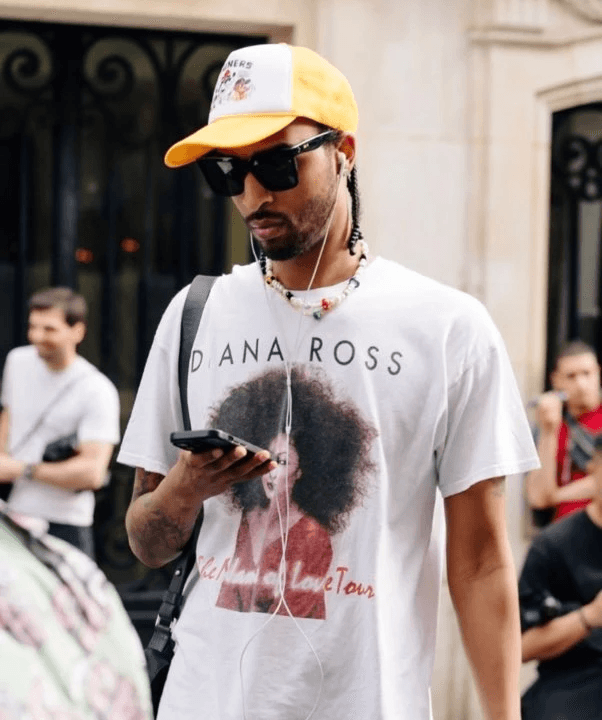
Born and raised between Jamaica and the DMV, Wavy, the multi-disciplinary creative, grew up surrounded by fashion long before he ever touched a design program.
His mother managed and bought for a boutique in Georgetown called Pink November, while his grandfather operated a large-scale T-shirt printing business in Northeast D.C. called Top Shelf T-Shirts, producing apparel for places like Six Flags and Kings Dominion. At the time, though, none of it felt like destiny. It just felt normal. “I didn’t think I’d be doing this today,” Wavy says. “I just thought I was helping my grandfather work.”
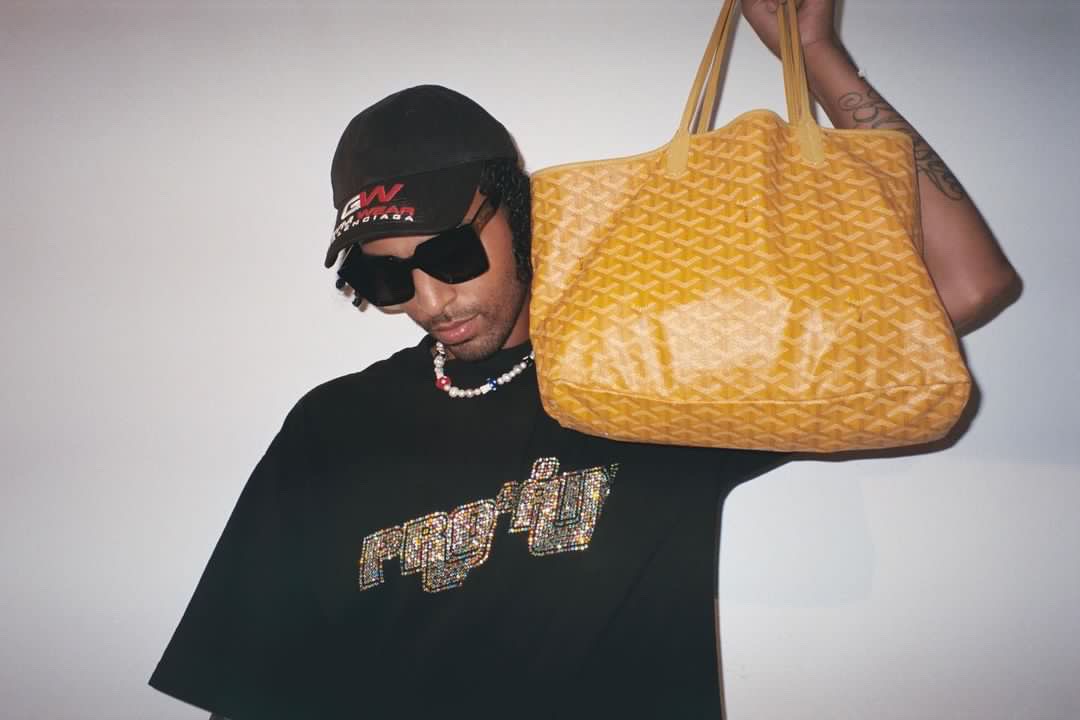
As a teenager, Wavy became obsessed with clothing, textures, silhouettes, and the subtle differences between brands. A lot of that curiosity came from simply being outside near the Georgetown storefronts and deeply immersed in the DMV fashion culture. Similarly, trips to Jamaica and involvement in skate culture naturally stacked together over time.
One moment especially shifted his perspective. During a trip to Jamaica in 2006, Wavy met members of the legendary Japanese sound system Mighty Crown. “I had never seen Japanese people speaking Jamaican before,” he laughs. But beyond the surprise, it was their style that stuck with him. Selvedge denim. Graphic tees. Nike Dunk collaborations. Their approach to fashion felt completely different from what he was used to seeing in the United States. “That was my first introduction to understanding how broad style could really be.”
Years later, while in college, Wavy accidentally stumbled into fashion design through a streetwear project called Crash Boys. The brand blended Philly bike culture, internet virality, and streetwear aesthetics into one world. What started as experimentation quickly became proof that his ideas could connect with people.
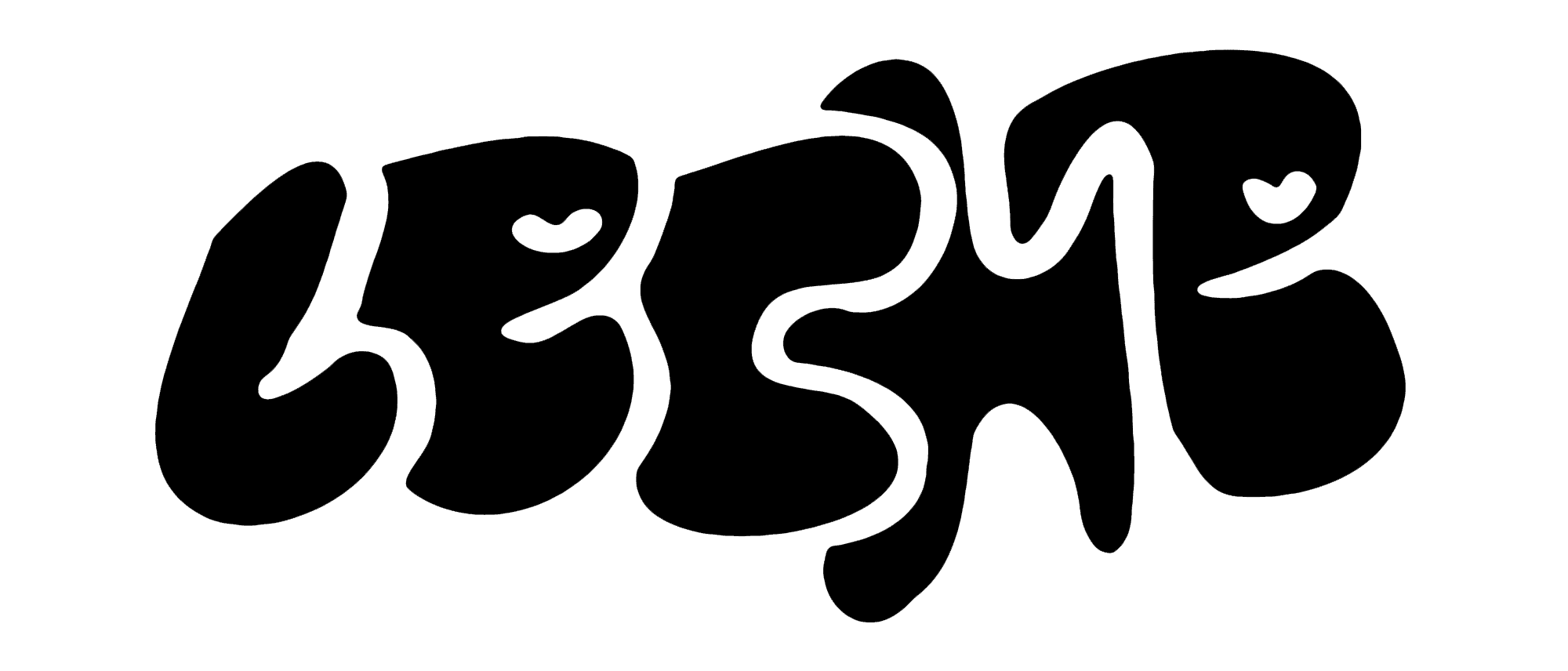
Then came Propain Stain.
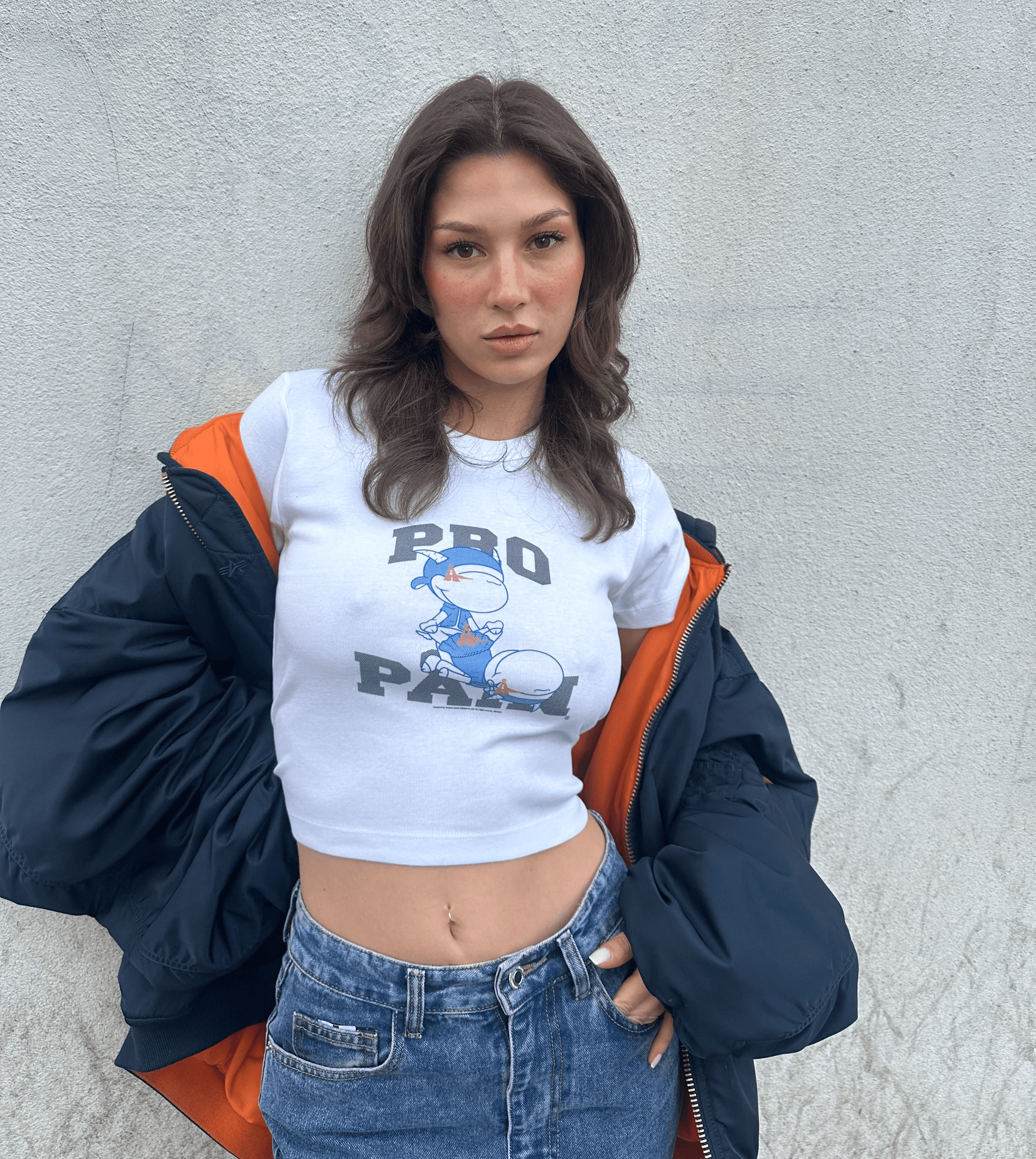
More than a clothing brand, Propain Stain became Wavy’s personal language. Built around the idea of embracing adversity, the project allowed him to explore identity, memory, and design without feeling boxed into one lane. And despite never formally studying design, he taught himself programs like Photoshop and Illustrator the same way many self-made creatives do: through repetition and curiosity.
“Somebody told me, ‘just start clicking buttons,’” he says. “At first, I thought they were gatekeeping. Then I realized that was really the answer.”
That mindset carried into everything he built. Wavy approaches design instinctively, drawing on Caribbean culture, D.C. style, punk, New York, California, music, and everyday life. Nothing feels forced. Nothing feels over-calculated.
By 2022 and 2023, Propain Stain had become one of the DMV’s most talked-about underground brands, culminating in a major activation with Atmos. But right as momentum peaked, Wavy disappeared.
Not because he lost passion, but because he needed perspective. “I stopped doing what was working and started chasing where I thought I should be,” he admits.
The pause forced him to grow creatively and personally. It also reminded him why he started in the first place. Because creating had become essential to who he was. “Creating is like breathing,” Wavy says. “I gotta create to breathe.”
Now, with new releases on the horizon, Wavy is coming across as much more centered and refined. And if there’s one thing he knows for sure, it’s this: “Style always beats trends.”