

Keanu and Tyler’s Socha Was and Will Always be About Spotlighting Raw and Honest Creativity.
Some creative platforms feel manufactured and over-designed. Sometimes, way too over-explained, but Socha doesn’t move like that whatsoever.
Some creative platforms feel manufactured and over-designed. Sometimes, way too over-explained, but Socha doesn’t move like that whatsoever.
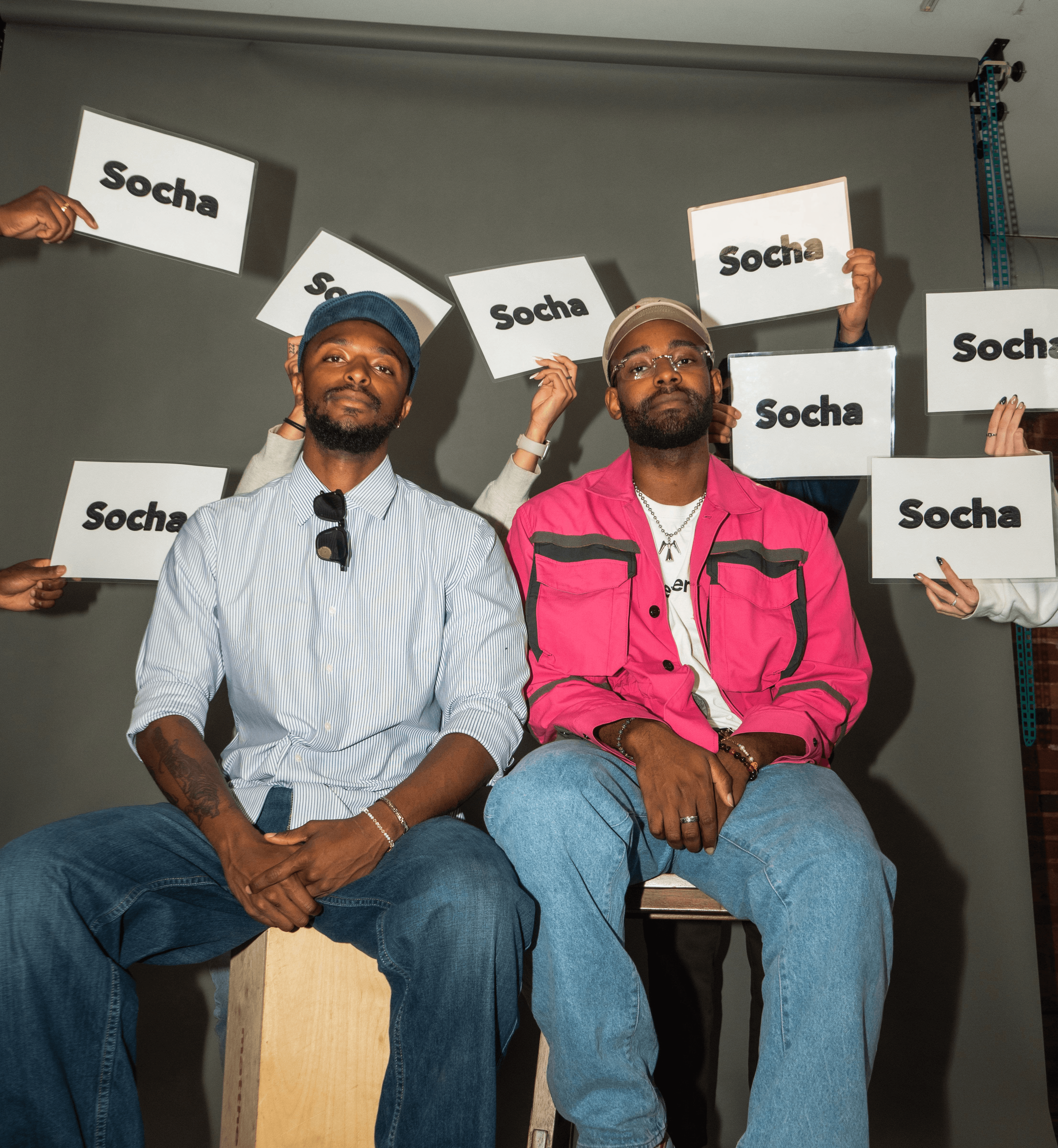
Some creative platforms feel manufactured and over-designed. Sometimes, way too over-explained, but Socha doesn’t move like that whatsoever. For founders Keanu Korkor and Tyler “Tybo” Bozeman, the DMV-based creative platform was always about creating something intentional. Something alive enough to grow naturally on its own terms.
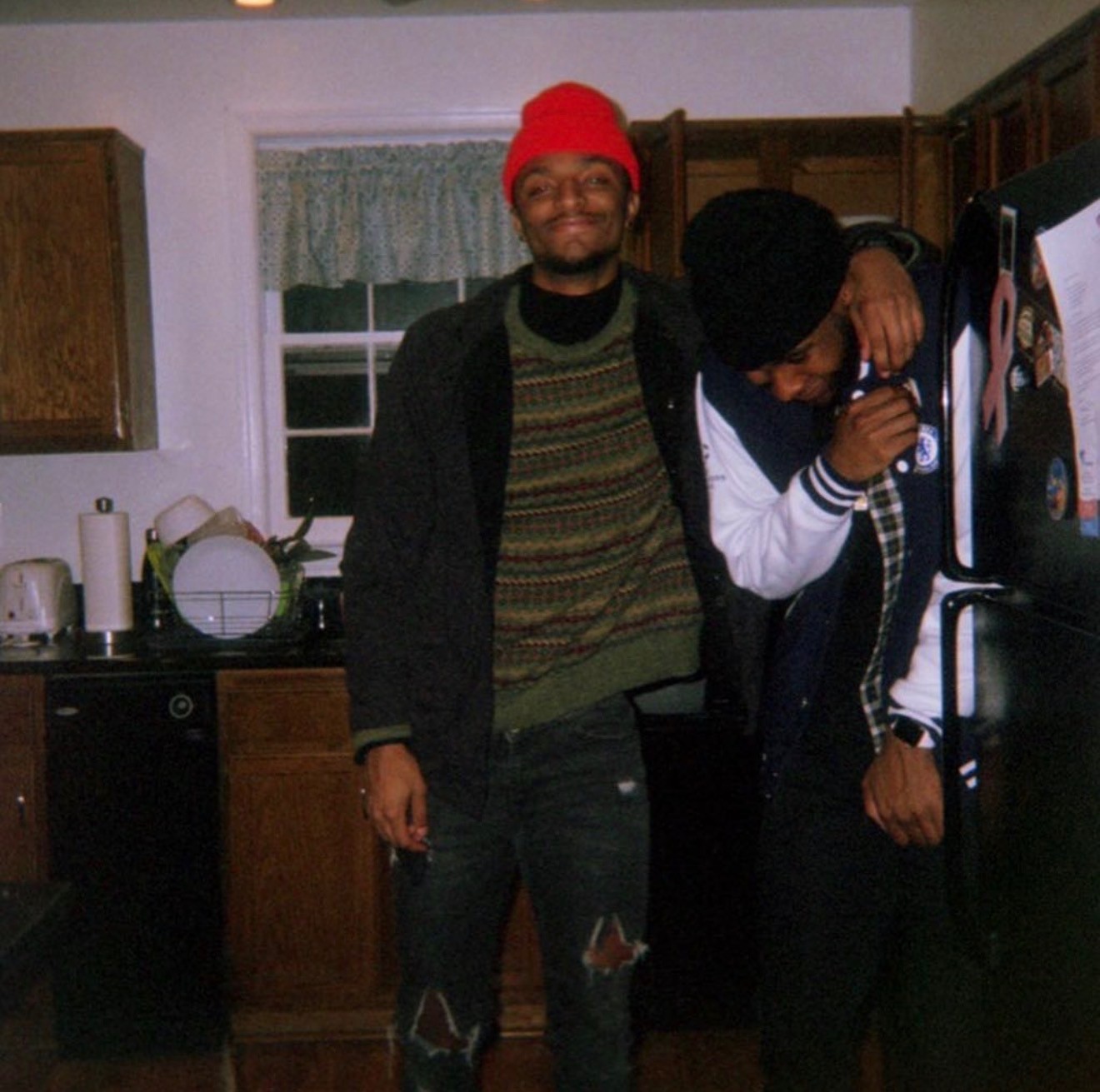
Long before Socha existed, the foundation was already there within the two. The two met in college as soccer teammates. At first, they were just two kids on campus who happened to see the world in a similar way. They resonated with their music taste and style. The most important similarity was their curiosity about art, fashion, and culture. “We were kind of outliers at the school,” Keanu says. “You could notice both of us compared to like 99 percent of everyone else there.”
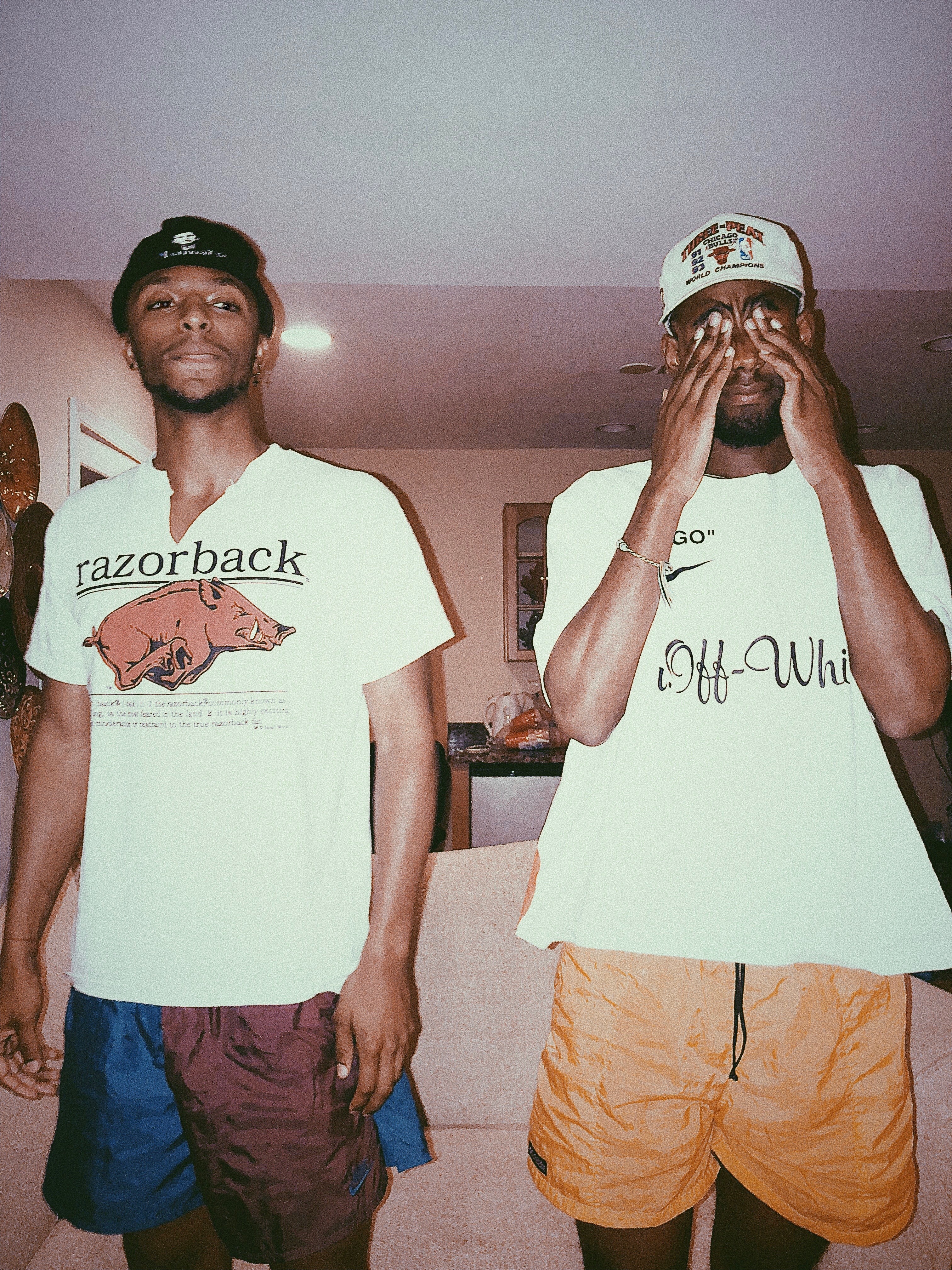
What started as sharing clothes, shoes, and playlists slowly turned into something deeper. They spent years consuming culture together before ever trying to create it. The extensive list ranged from Supreme, Palace, vintage sportswear, SB Dunks, old LRG, blog-era Virgil, Tumblr aesthetics, skate culture, and music forums — all of it became part of the language they naturally spoke.
But Socha did not appear overnight. In fact, both Keanu and Tyler admit this is far from the first creative idea they attempted together. Previous concepts came and went. Some lost momentum. Others never left the planning stage. “We always had ideas,” Keanu explains. “But we never really put it into motion.” Eventually, something shifted. Instead of only talking about creativity, they decided to build a home for it.
Socha became that answer: a platform centered around documenting creatives honestly, whether through interviews, visual storytelling, writing, campaigns, or their growing “Safe Space” series. At its core, the project is less about content and more about preservation.
“I think some people do things and don’t really get their shine,” Keanu says. “People support them, but don’t actually know who they are personally.” That philosophy is embedded throughout everything they produce. The interviews feel conversational. The visuals feel raw. Nothing is overly polished because perfection was never the goal.
Tyler explains that even the name “Socha” came from a word discovered inside a book about obscure emotions and invented language. The meaning centered around statues appearing perfect from far away but revealing cracks, imperfections, and wear when viewed closely. That idea immediately connected with them. “We didn’t want everything to feel perfect,” Tyler says. “We wanted it to feel human.”

That same mindset shapes how they approach growth, too. Unlike many emerging creative brands obsessed with analytics, virality, or optics, Socha moves slower and far more intentionally. They are not interested in pretending they have everything figured out. If anything, both founders speak like people still very much in process.
“We feel like we’re just getting started,” Tyler says. And despite already building one of the DMV’s most thoughtful underground creative platforms, they genuinely mean it.
The long-term vision stretches beyond interviews and posts. They look to open up physical spaces, full-fledged production shoots, and especially a stronger creative direction. But they not only want to grow for themselves but also want to give back by hosting community events and providing opportunities for their friends. Socha is not meant to revolve solely around Keanu and Tyler. It is meant to become an ecosystem.
Socha is meant to be an outlet. A living, breathing archive for the people around them. And maybe that is exactly why it works.